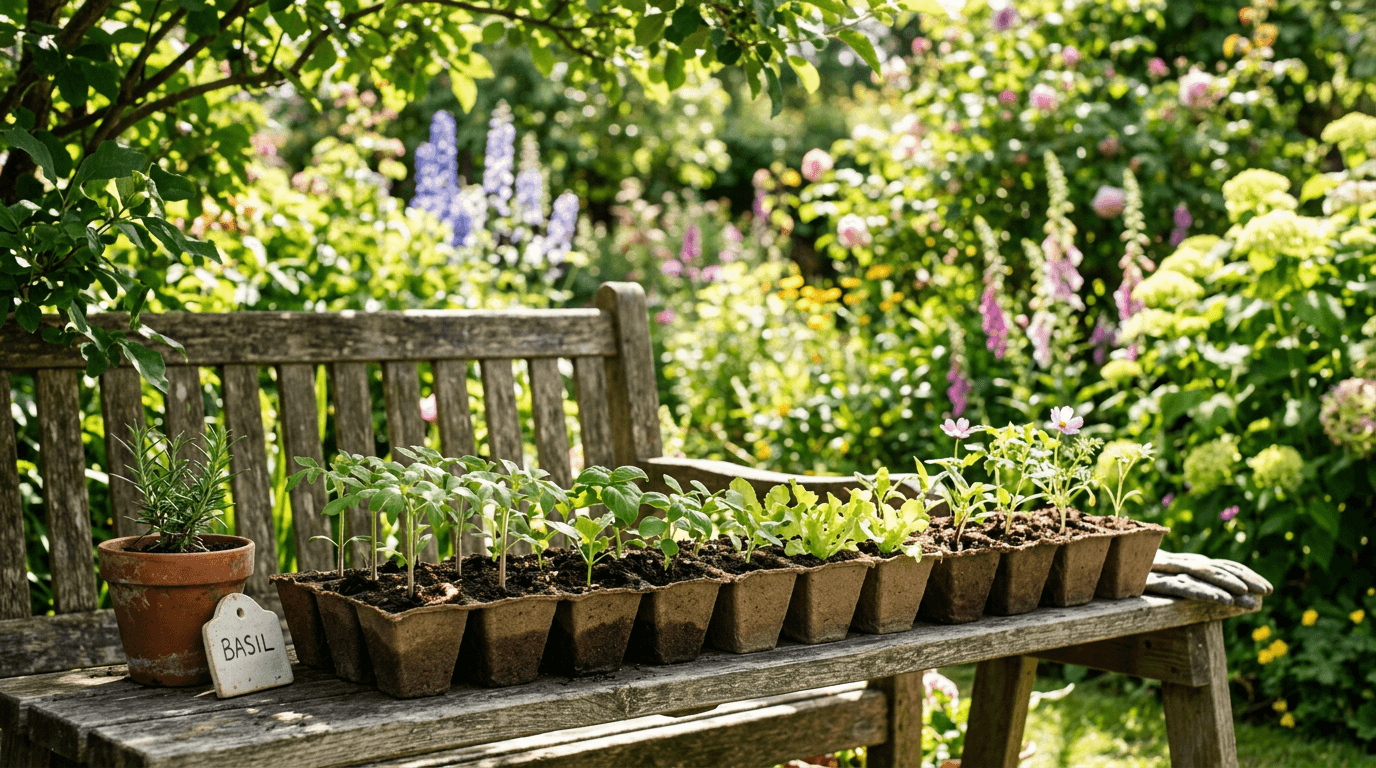
You’ve started your seeds indoors, tended them under lights for weeks, and now you have a tray of healthy seedlings ready to go outside. But if you move them directly from the controlled warmth of your home into the garden, many of them will struggle — wilting, scorching, or suffering from what gardeners call transplant shock.
Hardening off is the simple process that prevents this. It takes 7–10 days and requires almost no effort, but it makes a real difference in how well your transplants establish in the garden.
Why Hardening Off Matters
Seedlings grown indoors have never experienced direct sun, wind, or fluctuating temperatures. Even on a warm spring day, outdoor conditions are dramatically harsher than a grow light setup:
- Full outdoor sun is 5–10 times more intense than most grow lights
- Wind causes physical stress and increases water loss from leaves
- Temperature swings between morning and afternoon can span 20–30°F
Exposing plants gradually to these conditions lets them build thicker cuticles on their leaves, develop stronger stems through movement, and adjust their internal water management systems. A properly hardened-off transplant establishes faster and suffers less shock than one moved outdoors all at once.
When to Start Hardening Off
Begin hardening off about 10–14 days before your planned transplant date. For most warm-season crops like tomatoes, peppers, and squash, this means starting after your last frost date has passed and nights are reliably above 50°F.
Cool-season crops like broccoli, kale, and lettuce can be hardened off earlier — even when light frosts are still possible — because they tolerate cold better. Young broccoli transplants can handle temperatures down to the upper 20s°F once fully hardened.
Step-by-Step Hardening Off Schedule
The goal is to gradually increase exposure to outdoor conditions over 7–10 days. Here’s a practical schedule:
Days 1–2: Shade and shelter, 1–2 hours
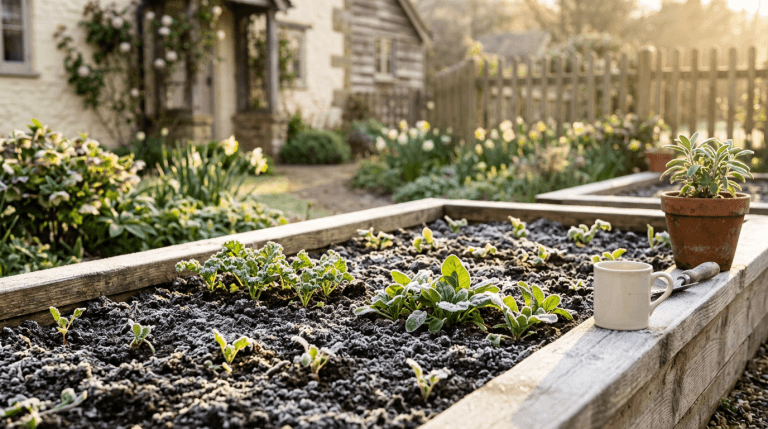
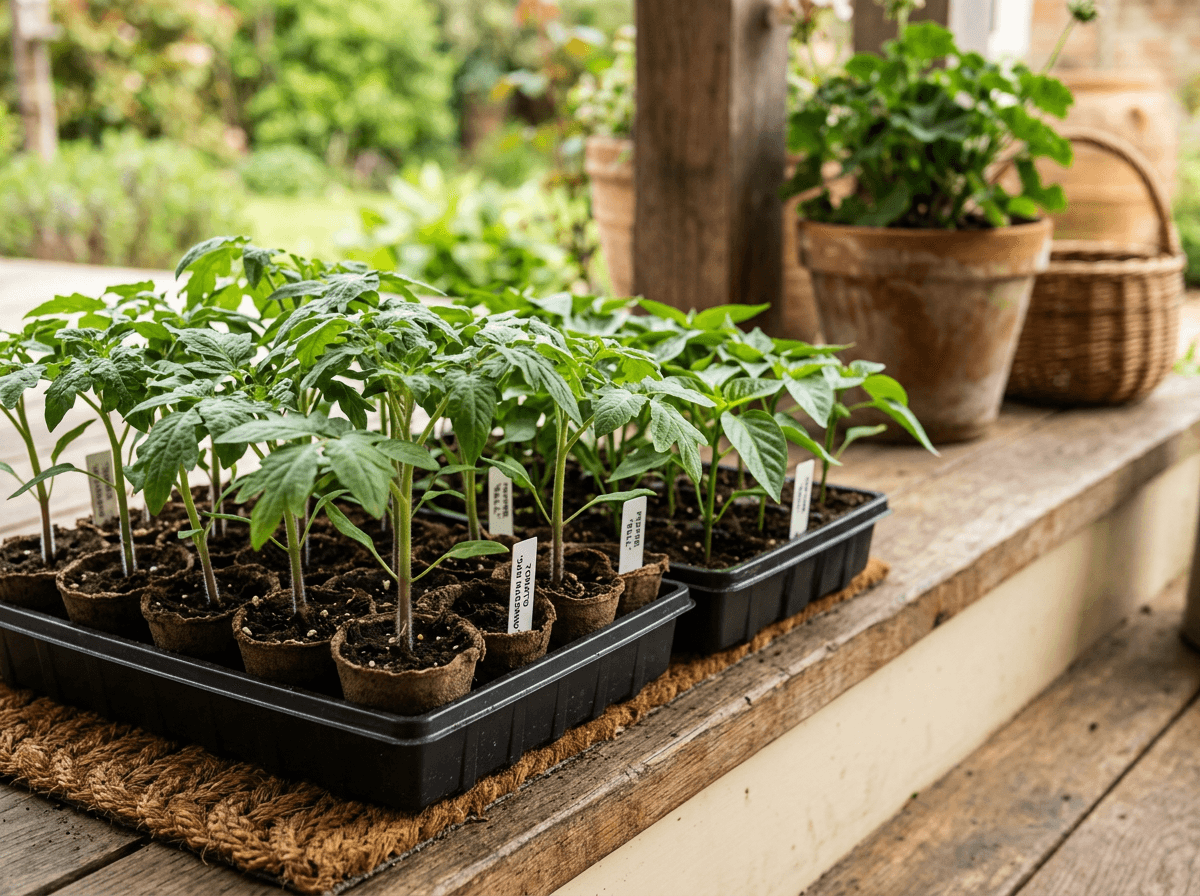
Set plants outside in a spot with no direct sun — the north side of your house, under a tree, or in dappled shade. Bring them back inside before temperatures drop in the evening. This first step gets plants used to outdoor air movement without any sun exposure.
Days 3–4: Morning sun, 2–3 hours
Move plants to a spot that gets gentle morning sun (before 10am). Keep them shaded during the hottest part of the afternoon. Watch for wilting — if leaves droop, move plants to shade and water if needed.
Days 5–6: More sun, 4–5 hours
Extend sun exposure into mid-morning. Plants should be tolerating direct light without wilting or scorching. Continue bringing in at night if temperatures drop below 50°F (or below 40°F for cold-hardy crops).
Days 7–8: Half day of sun
Plants can now stay outside through noon. Begin leaving them out if nights are mild (above 50°F for warm-season crops). Watch the weather forecast and bring in if frost is predicted.
Days 9–10: Full day outdoors
Plants stay outside all day in their final growing location or near it. Only bring inside if hard frost threatens. By the end of day 10, they’re ready to transplant.
What to Watch For
Leaf scorch: White or tan papery patches on leaves, usually caused by moving from low light to full sun too quickly. Slow down the process and increase sun exposure more gradually.
Wilting: A small amount of midday wilting is normal during hardening. If plants recover by evening, they’re adjusting normally. If they stay wilted, they need more shade and water.
Cold damage: Purple leaf edges or purpling of stems, particularly in tomatoes and peppers, indicates cold stress from temperatures below 50°F. Move plants to a warmer spot or back inside at night until the weather warms.
Wind damage: Stems snapping or breaking is a sign plants need more time to build stem strength. Start in sheltered spots away from strong winds before exposing to windier conditions.
Shortcuts — and Why They Don’t Work as Well
Some gardeners skip hardening off and go straight to transplanting, planning to “let the plants adjust on their own.” The results are usually disappointing — plants sit stunned for 1–2 weeks, some don’t recover from sun scorch, and overall establishment is slower than plants that were properly hardened.
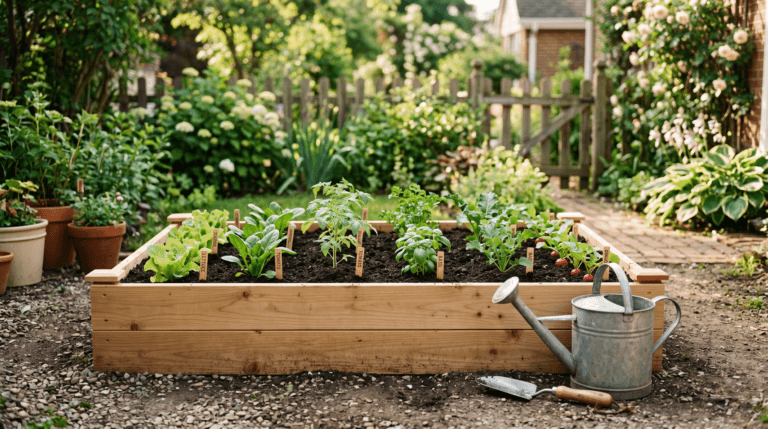
There’s no good shortcut for the process, but a cold frame or low tunnel makes it significantly easier. Instead of bringing plants in and out each day, you simply vent the cold frame during the day (opening it increasingly wide over the 10 days) and close it at night. It’s much less work and produces excellent results.