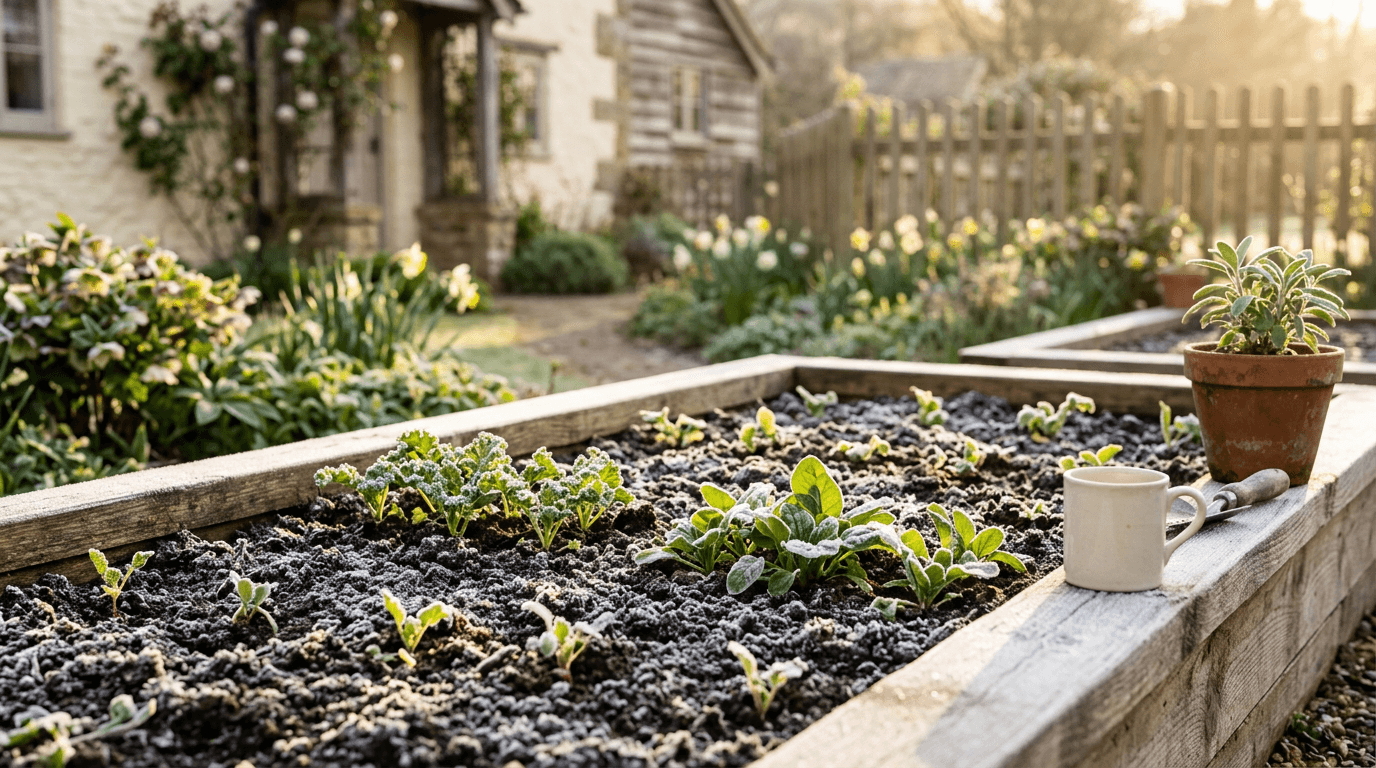
Frost dates are the backbone of vegetable garden timing. Nearly every planting decision — when to start seeds indoors, when to transplant, when to sow fall crops — is calculated from two numbers: your average last spring frost date and your average first fall frost date. Understanding what these dates mean and how to use them takes the guesswork out of the most important decisions in your garden.
What Is a Frost Date?
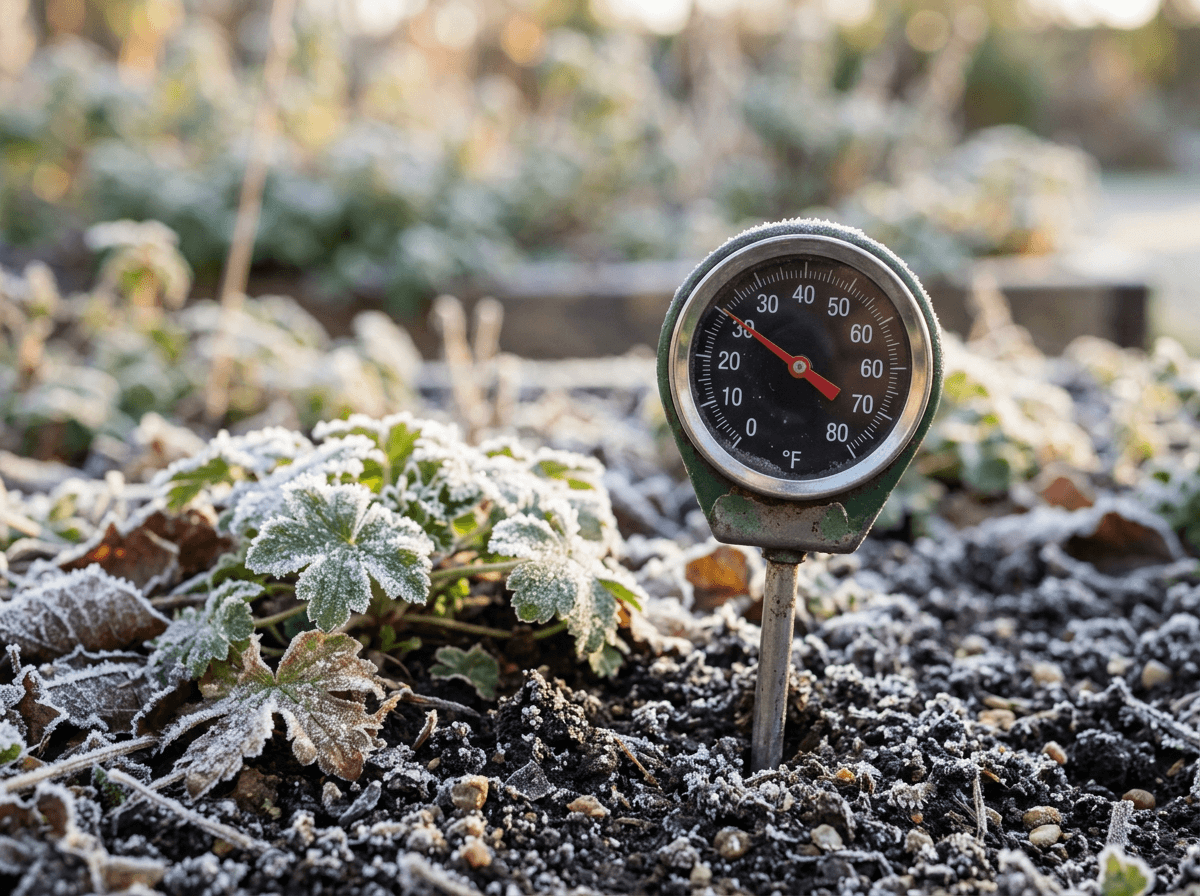
A frost date is a statistical estimate of when your area is likely to experience a certain temperature. The most commonly used frost dates are the dates when air temperature reaches 32°F — technically the freezing point — though some definitions use 28°F, which is a “hard freeze” that damages more plants.
These dates are averages calculated from decades of weather records, typically 30-year averages maintained by NOAA (National Oceanic and Atmospheric Administration). They are not guarantees. A late spring frost or an early fall freeze can happen outside the average window, especially in recent years with more variable weather patterns. Think of frost dates as probabilities, not certainties.
How Frost Dates Differ from USDA Zones
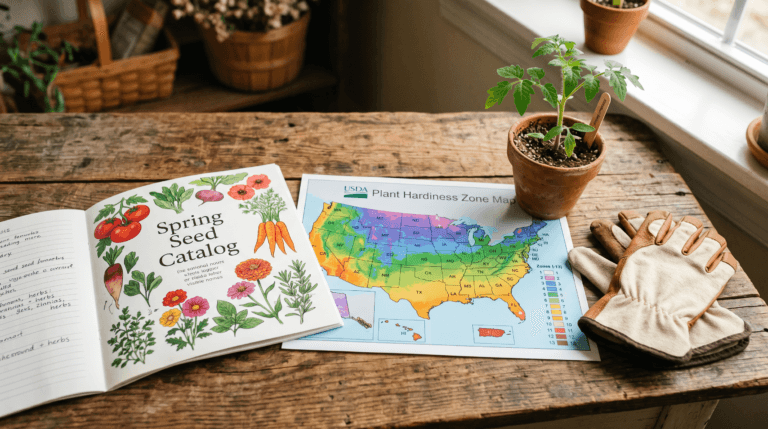
USDA Hardiness Zones and frost dates measure different things. This confuses many gardeners.
USDA zones are based on average minimum winter temperature — the coldest it typically gets each year. They’re primarily used for perennial plants, trees, and shrubs to determine what can survive winter in your area.
Frost dates are based on the dates of 32°F temperatures in spring and fall — they tell you about the length and boundaries of your growing season. They’re what matters for annual vegetable gardens.
A gardener in Zone 6 and a gardener in Zone 7 may have similar frost dates even though their winter minimums differ. And two gardeners in the same USDA zone but different elevations or geography can have frost dates weeks apart. For vegetable gardening, frost dates are often more useful than zone alone.
How to Find Your Frost Dates
The most accurate frost dates for your specific location come from the NOAA Climate Data Online tool, which lets you look up historical frost data by zip code or city. Many local extension service websites also publish frost date tables for counties and regions.
As a general guide by USDA zone:
| USDA Zone | Avg. Last Spring Frost | Avg. First Fall Frost | Frost-Free Days |
|---|---|---|---|
| Zone 3 | May 25 | Sep 15 | ~110 days |
| Zone 4 | May 15 | Oct 1 | ~135 days |
| Zone 5 | Apr 30 | Oct 15 | ~165 days |
| Zone 6 | Apr 15 | Oct 31 | ~195 days |
| Zone 7 | Apr 5 | Nov 15 | ~220 days |
| Zone 8 | Mar 20 | Nov 25 | ~250 days |
| Zone 9 | Feb 28 | Dec 5 | ~280 days |
| Zone 10 | Jan 31 | Rarely frosts | ~365 days |
These are averages. Your specific location within a zone may vary by 2–4 weeks.
How to Use Frost Dates for Planting
Once you know your last spring frost date, you can calculate when to start or transplant every crop in your garden. Seed packets and growing guides use phrases like “plant 2 weeks after last frost” or “start indoors 6 weeks before last frost.” These instructions all reference the same number — your last frost date.
Practical examples for a Zone 6 gardener (last frost April 15):
- Tomato transplants go out after last frost: May 1–15
- Tomato seeds started indoors 8 weeks before: February 18
- Peas direct-sowed 6 weeks before last frost: March 4
- Basil — wait until 2 weeks after last frost: April 29
For fall planting, use your first fall frost date the same way: count back from it to determine when to sow fall crops so they mature before hard frost arrives.
When Frost Dates Are Wrong
Frost dates are averages, which means roughly half the time, your last frost will come later than the average, and half the time earlier. A few things affect this:
- Elevation: Cold air sinks. Low-lying gardens, valleys, and frost pockets can freeze 2–4 weeks later in spring and earlier in fall than surrounding areas at higher elevation.
- Urban heat islands: City gardens often experience their last frost 1–2 weeks earlier than surrounding rural areas because buildings and pavement hold heat.
- Microclimates: South-facing beds against a brick wall, or a garden on a slight hill, can be significantly warmer than the reported average for your area.
- Recent climate trends: Average frost dates have shifted in many areas. If you’ve been gardening in the same location for years, your own records may be more accurate than published averages.