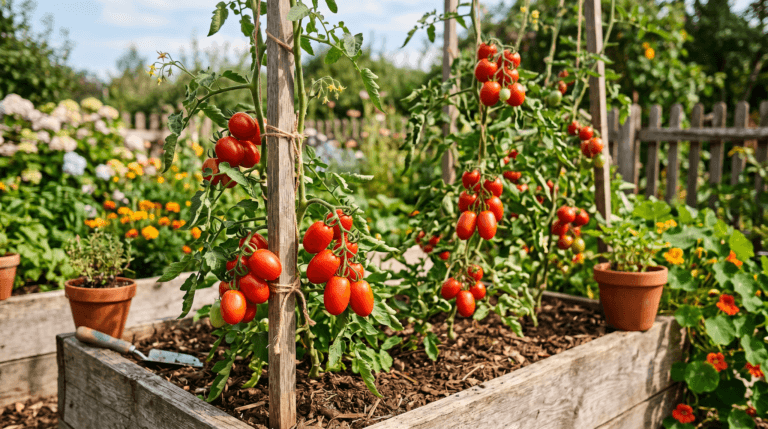
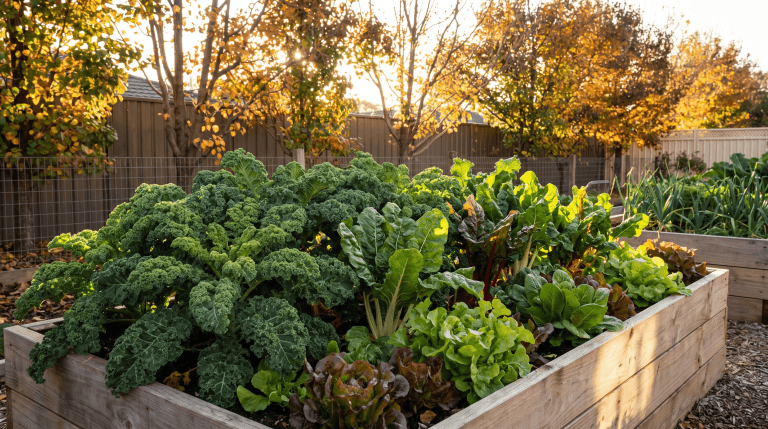
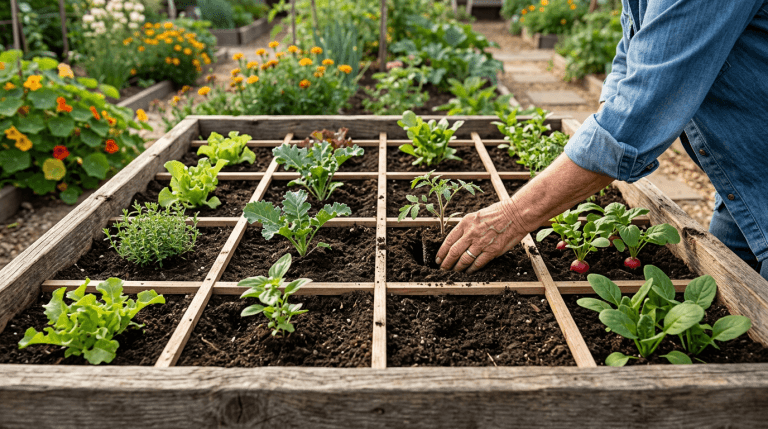
For as long as most of us can remember, starting a garden meant hard work with a tiller or spade — breaking up the soil, turning it over, working in amendments. The no-dig method challenges that assumption entirely. Its central idea: the best thing you can do for your soil is leave its structure intact, feed the organisms that live in it, and let them do the work for you.
The results — less weeding, better soil, higher yields — have converted many skeptical gardeners. Here’s how it works and how to get started.
What Is the No-Dig Method?
The no-dig garden method (also called no-till gardening or sheet mulching) involves building up the soil from the top down rather than turning it from below. Instead of digging, tilling, or breaking up the soil, you layer organic materials on top. Those layers suppress weeds, feed soil organisms, and gradually build rich, loamy soil beneath them.
The method was popularized by British gardener Charles Dowding, who has run extensive trials comparing dug and undug plots for over a decade. His consistent finding: no-dig plots produce equal or greater yields with significantly less labor and weeding.
Why Not Digging Is Better for Soil
Soil is not just dirt — it’s a complex living ecosystem. A single teaspoon of healthy garden soil contains millions of bacteria, fungi, nematodes, and other microorganisms organized in a web of relationships that support plant growth. That structure takes years to develop.
Tilling disrupts this structure in several ways:
- It breaks apart fungal networks (mycorrhizae) that help plants access water and nutrients
- It brings weed seeds buried deep in the soil to the surface, where they germinate
- It destroys aggregates — the clumps of soil held together by fungal threads and organic matter — that give soil its tilth and drainage
- It oxidizes organic matter rapidly, reducing soil carbon over time
No-dig preserves all of this. By adding organic matter to the top and letting worms and microorganisms incorporate it downward, you build soil the way nature does.
How to Start a No-Dig Garden Bed
You can convert an existing garden to no-dig at any point, or start a completely new bed on lawn or weedy ground.
Starting on Grass or Weedy Ground (Sheet Mulching)
This is where the no-dig method is most dramatic — you can turn a lawn into a productive garden bed without any digging at all.
Step 1: Mow or cut the existing vegetation short. Don’t remove it — leave it in place as the bottom layer.
Step 2: Lay cardboard over the entire area. Use plain corrugated cardboard with no glossy coatings. Overlap pieces by at least 6 inches so weeds can’t push through the gaps. Wet the cardboard thoroughly — it needs to be soaked. Remove any staples or tape.
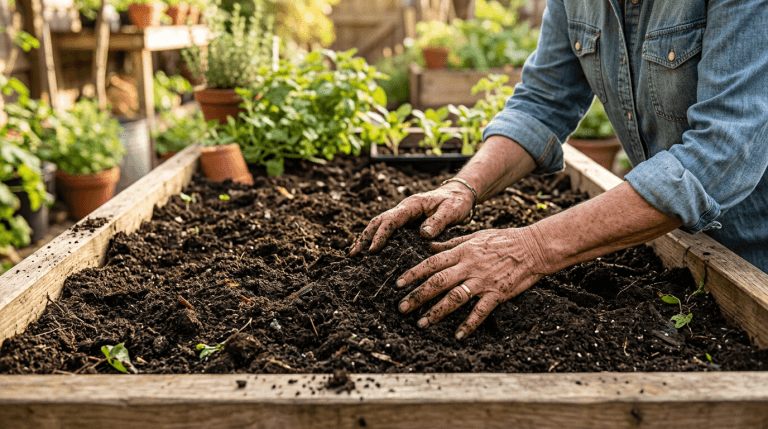
Step 3: Add a thick layer of compost. Spread at least 4–6 inches of good compost on top of the cardboard. This is the growing medium your plants will live in for the first season, so don’t skimp. Use finished compost, not fresh manure or wood chips.
Step 4: Plant directly into the compost. You can plant immediately — transplants and large-seeded crops work best for same-day planting. Small seeds need the compost to be established for a few weeks first, or direct sow them into a shallow furrow in the compost layer.
The cardboard smothers the grass and weeds beneath, decomposes over 6–12 months, and the worms love it. By the following season, the cardboard is gone and you have beautifully soft, worm-rich soil underneath.
Converting an Existing Tilled Bed to No-Dig
Simply stop tilling. Apply 2–4 inches of compost on top of the existing soil and let it sit. Don’t dig it in. Plant through it. Over time, worms will pull it down into the soil. Each year, add another layer of compost on top and repeat.

Annual Maintenance: The Top-Dressing Approach
Once established, a no-dig bed requires very little maintenance. Each year (or each season for high-production beds), add a 1–2 inch layer of compost to the surface. This feeds the soil ecosystem and replaces organic matter that plants remove.
In autumn, spread compost over empty beds before winter. In spring, plant directly into it without any soil preparation. The compost you added in fall will have been partially incorporated by worms over winter.
Weeding in a No-Dig Garden
No-dig beds are not weed-free, but they produce dramatically fewer weeds than tilled beds. The reason: the thick compost layer covers buried weed seeds, and you never bring new seeds to the surface by digging. The weeds that do appear are mostly light-seeded annual weeds that landed from the air — and they pull out easily from the loose, moist compost layer.
When weeds appear, pull them by hand without disturbing the soil around them. Never chop weeds with a hoe below the soil surface — that’s essentially mini-tilling, which defeats the purpose.
Is No-Dig Right for Every Garden?
No-dig works well in almost every situation, but it requires a good supply of compost. For a 4×8-foot bed, a 4-inch layer requires about 10 cubic feet of compost — roughly two large bags or a third of a yard from a bulk supplier. If you’re making your own compost, that’s enough reason to invest in a compost bin.
The method works best in raised beds and flat ground. On steep slopes, heavy rains can wash the surface compost layer away before it’s established.