You’ve been growing beautiful tomatoes, and then you notice it: a dark, sunken, leathery patch on the bottom of the fruit. That’s blossom end rot — frustrating, but completely preventable once you understand what’s really going on.
What Blossom End Rot Is
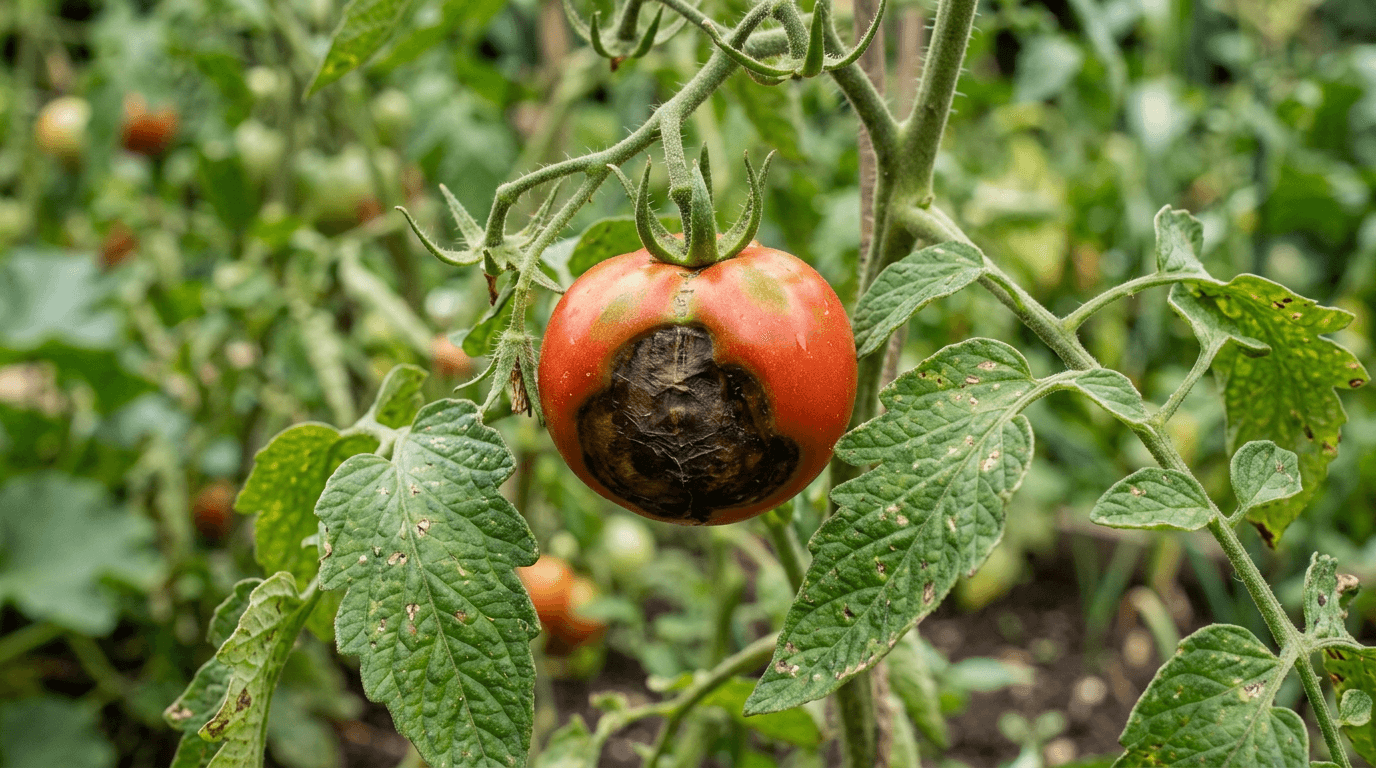
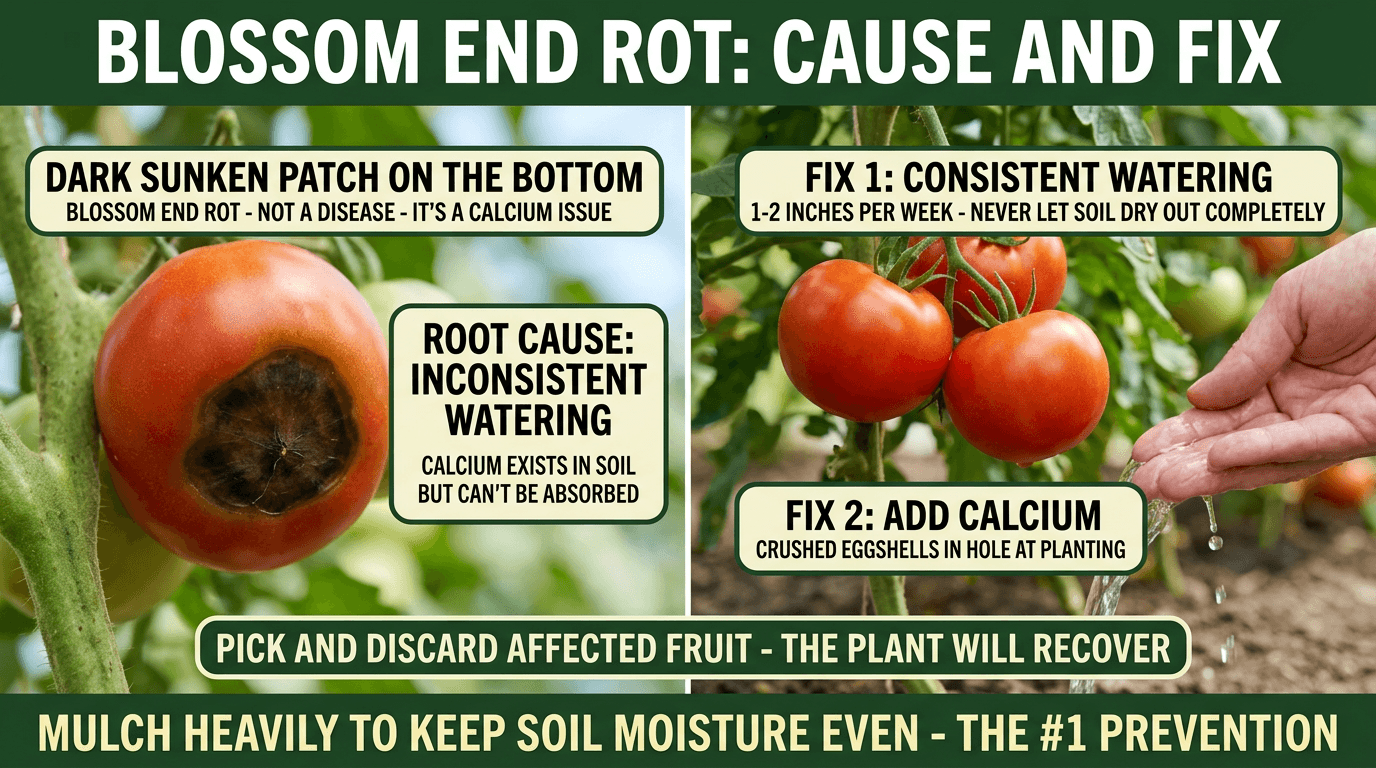
Blossom end rot shows up as a water-soaked spot on the bottom (blossom end) of the fruit that turns dark brown or black, sunken, and leathery. It affects tomatoes most often, but also peppers, squash, eggplant, and melons. It usually hits the first fruits of the season.
Important: it is not a disease and it’s not contagious — so you can’t “catch it” from plant to plant.
What Actually Causes It
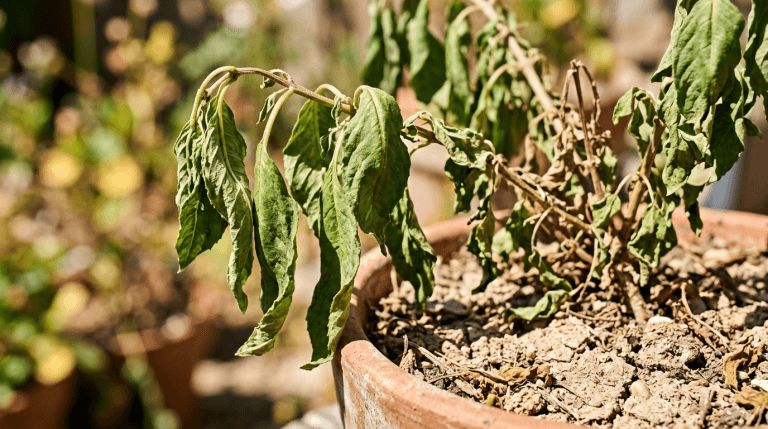
Blossom end rot is a calcium problem — but not usually because your soil lacks calcium. The real cause is almost always inconsistent watering. When soil swings between bone dry and soaking wet, the plant can’t move calcium to the developing fruit, and the bottom breaks down.
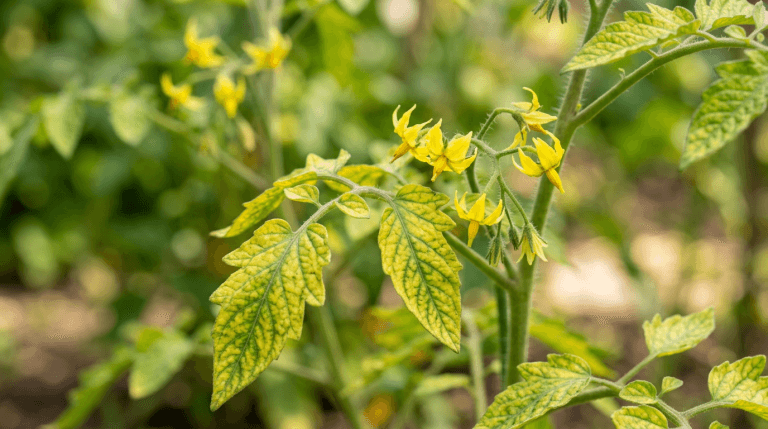
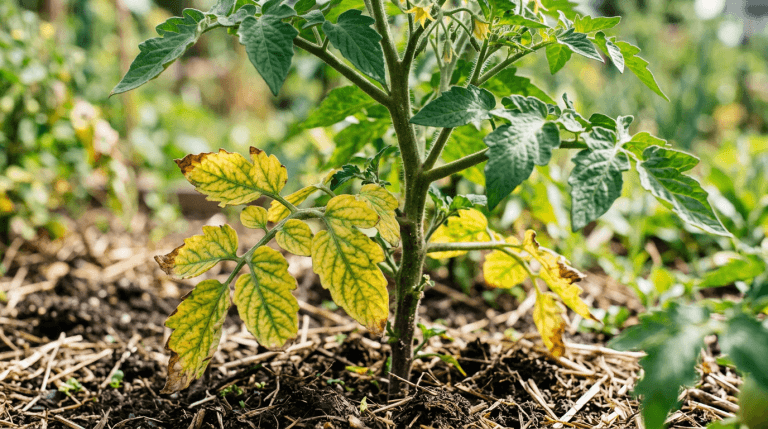
Other contributors: too much nitrogen fertilizer (pushes fast leafy growth that outpaces calcium delivery), and damaged roots.

How to Fix It
- Remove the affected fruits — they won’t recover, and removing them lets the plant focus on healthy ones.
- Water consistently and deeply — this is the real fix. Aim for evenly moist soil, never bone dry then flooded.
- Add mulch — 2 to 3 inches of straw or wood chips keeps soil moisture steady.
- Ease off high-nitrogen fertilizer — switch to a balanced or tomato-specific feed.
- Only add calcium if a soil test confirms a deficiency — otherwise it won’t help.
How to Prevent It
- Keep moisture even — drip irrigation or a soaker hose on a schedule is ideal.
- Mulch every plant to buffer against drying out.
- Don’t over-fertilize with nitrogen, especially once fruit sets.
- Plant in well-draining soil rich in organic matter.
Quick Recap
Blossom end rot looks like a disease but it’s really a watering problem. Remove the damaged fruit, water evenly and deeply, mulch, and go easy on nitrogen. Once your watering is consistent, the next round of fruit will come in clean.