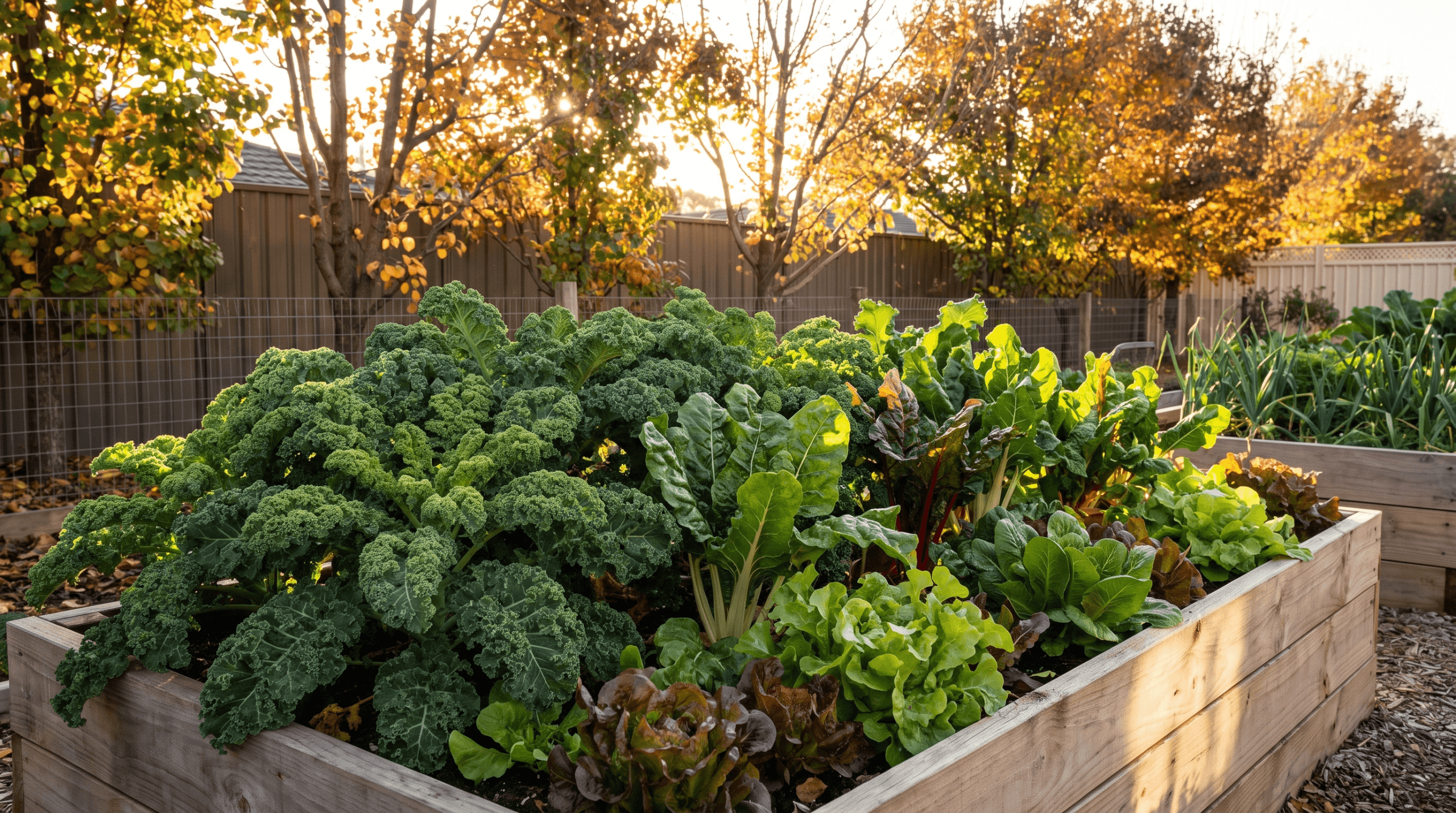
The Raised Bed Advantage Gets Even Better in Fall
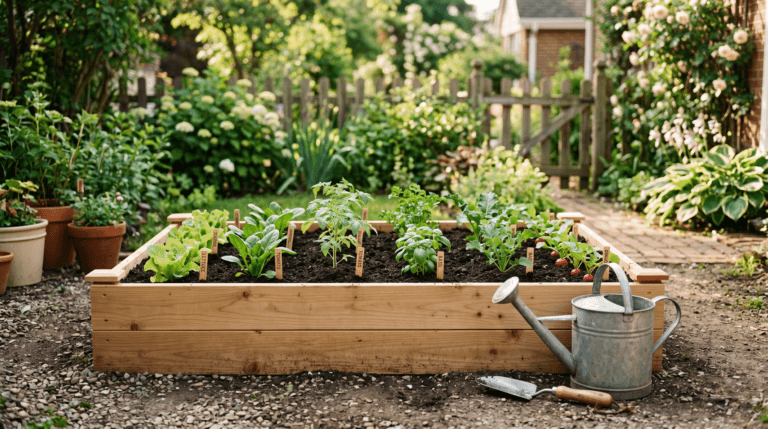
Raised beds shine in fall for the same reasons they shine in spring: they drain better, warm up and cool down faster than ground soil, and are easier to extend with cold frames or low hoops. If you’ve been gardening in raised beds through summer, you already know the advantages. What you might not know is how much productive gardening you can still squeeze out of them before winter — and how much smarter the beds will be next spring if you use the next few weeks wisely.
This guide is for gardeners who have raised beds, have finished or nearly finished the summer season, and are wondering what to do right now. The answer depends on your zone, but there’s a version of this work that applies from Zone 3 to Zone 9.
What Stays In and What Gets Pulled
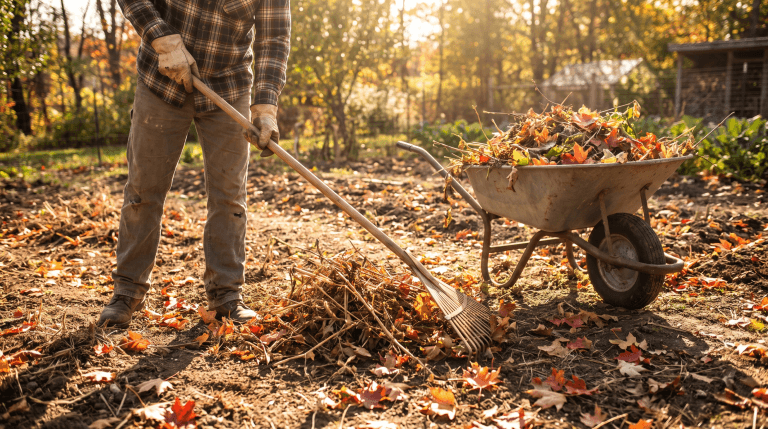
Your summer crops that are done — tomatoes, cucumbers, squash, beans — come out now. Don’t leave spent plants in place over winter. They harbor disease spores, overwintering pest eggs, and take up space you could be using for fall crops or soil improvement. Pull them, shake the roots free of soil, and compost healthy material. Anything that was diseased goes in the trash.
Not everything needs to come out. In Zones 5 and warmer, kale, Swiss chard, and collards are extremely cold-hardy and can stay in the bed through fall and into winter with light protection. Kale especially improves with frost — the flavor becomes sweeter and more complex as the plant converts starches to sugars. A established kale plant might give you harvests all the way to December or beyond.
Hardy herbs — thyme, sage, and oregano — can stay in beds through winter in most zones. Rosemary is reliably hardy to about Zone 7; below that it needs protection or overwintering indoors. Parsley is biennial and will survive mild winters before going to seed in spring.
Chives die back to the ground but are alive below — leave them. Same with garlic planted for next year and any perennial roots you’ve established. The key decision is separating the plants that are truly done and should be removed from those that still have weeks or months of usefulness ahead.
Amend the Soil Right Now — It’s the Best Time
Every vegetable crop you grew this summer took something from the soil. Nutrients were absorbed, organic matter was consumed by soil biology, and the physical structure may have compacted somewhat over a long season. Fall is the best time to rebuild — better than spring, because winter gives amendments time to break down and integrate before planting begins.
Add 2 to 3 inches of finished compost across empty beds and beds you’ve just cleared. You can lightly fork it in or leave it on the surface and let earthworms and freeze-thaw cycles work it in over winter. This is called the no-dig or no-till approach, and it’s increasingly well-supported by soil biology research — disturbing soil structure less often preserves the fungal networks and earthworm tunnels that make soil productive.
If your raised bed soil has compacted or settled, now is also the time to add volume. A quality raised bed mix — or a combination of finished compost and aged wood chip material — can top up the bed so it’s full again. Beds that settle over seasons gradually become less effective as drainage decreases and plant roots have less room to work.
Cover Crops Are Extremely Worth the Trouble
Cover crops in raised beds might seem like extra work, but they’re one of the highest-return things you can do in September and October. Winter rye, field peas, oats, crimson clover, and buckwheat are all options depending on timing and your zone. In Zones 5 and 6, winter rye can be sown as late as late October and will germinate before cold sets in. In colder zones, sow by mid-September.
Scatter seed thickly over bare soil, rake lightly to cover, and water in. Within a week or two you’ll have a dense green mat protecting the soil surface through winter. In spring, cut or turn the cover crop under about 2 to 4 weeks before you want to plant, giving it time to begin breaking down. The organic matter added by even a modest cover crop makes a measurable difference in soil biology and structure.
If cover crops feel like too much for this season, at minimum mulch bare beds with 3 to 4 inches of straw or shredded leaves. Bare soil compacts under winter rain and snow, loses beneficial organisms to cold, and has nothing to offer beneficial insects either. A layer of organic mulch is a small, fast intervention with real rewards.
Cold Frames and Low Hoops Extend the Season Significantly
One of the best things about raised beds is how easily they accept season extension structures. A simple low tunnel made from bent conduit or flexible PVC pipe and covered with row cover fabric or greenhouse plastic can keep a raised bed productive 4 to 6 weeks beyond your frost date. A cold frame — essentially a box with a glass or polycarbonate lid — can extend the season even further.
In Zone 6, a cold frame or low tunnel can allow lettuce, spinach, arugula, and kale harvests through November and into December. In Zone 7 and 8, harvests from a covered bed can continue through January and February. The covered bed isn’t warm exactly — you’re not heating it — but you’re protecting plants from frost, wind, and the extremes of temperature that cause the most damage.
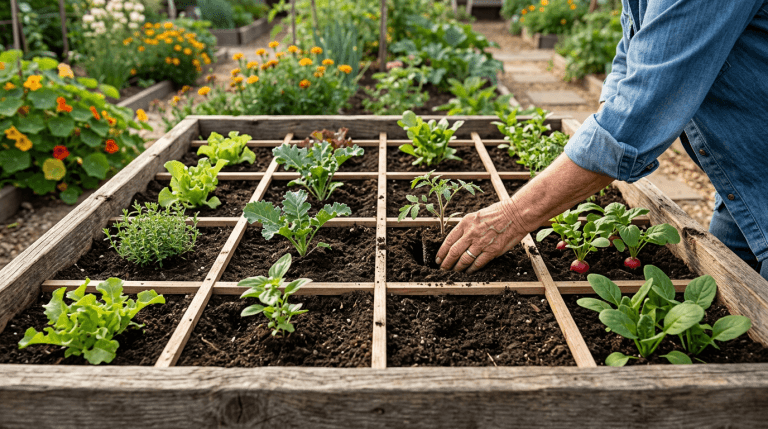
Plant cool-season crops now for harvest under protection: spinach, arugula, mache, claytonia, Asian greens, lettuce, and radishes all work well under cold frames. These aren’t summer crops — they’re specifically adapted to low-light, cool conditions. They grow slowly in winter, but they grow.
What to Plant for a Fall Harvest
If you’re reading this in early September and your zone has 6 or more weeks before a hard frost, you still have time to plant cool-season crops for actual fall harvest — not just cold-frame survival. Radishes mature in 25 to 30 days. Arugula and baby salad greens are ready to cut in 30 to 35 days. Spinach takes 40 to 50 days. Kale needs 55 to 65 days but can be harvested as baby leaves earlier.
Do the math from your first expected frost date and see what fits. Even in Zone 5 with a mid-October frost, September 1 planting of radishes or baby greens will give you harvest before the cold shuts things down. It’s worth doing even if the window is narrow.
Garlic goes in raised beds in fall exactly as it does in ground — pointed end up, 2 inches deep, 6 inches apart — and it will be the first thing harvested next summer. Raised beds are excellent for garlic because drainage is assured, which is the critical requirement.